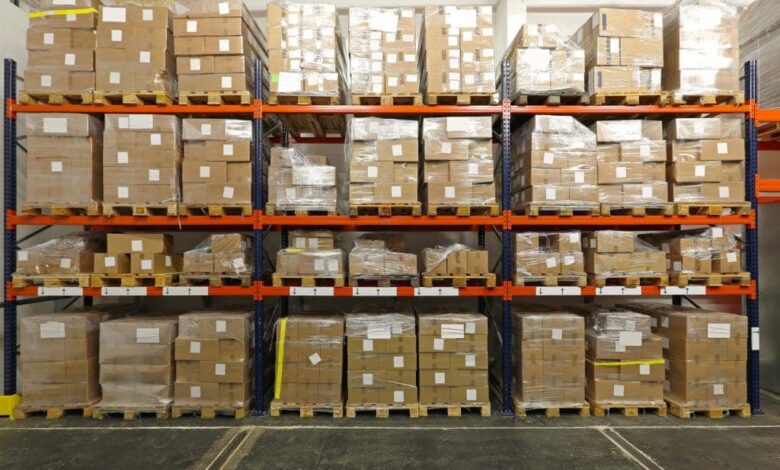
Amazon liquidation pallets have become one of the most talked-about opportunities in the reselling, flipping, and wholesale world. Whether you’re an entrepreneur looking for new inventory sources, a side hustler exploring new revenue streams, or a business owner searching for cost-effective stock, liquidation pallets from Amazon offer incredible potential—if you know how to approach them strategically.
In this comprehensive guide, you’ll learn exactly what Amazon liquidation pallets are, how they work, where to buy them, what risks to avoid, and how to turn them into a profitable business. This article is crafted to help you make informed decisions and build long-term success with liquidation sourcing


What Are Amazon Liquidation Pallets?
Amazon liquidation pallets are bulk lots of customer returns, overstock items, shelf pulls, warehouse-damaged goods, and unsold inventory that Amazon sells at heavily discounted wholesale prices. Instead of storing or disposing of these items, Amazon works with liquidation platforms that resell the goods to consumers and businesses.
These pallets are often sold “as-is,” meaning you receive the products in their current state without warranties, guarantees, or the ability to return them. That’s part of what makes them both exciting and risky.
Key reasons people buy Amazon liquidation pallets include:
- Low wholesale prices
- High resale profit potential
- Access to name-brand merchandise
- Diverse product categories
- Opportunity to build an eCommerce or reselling business
If you’re looking for a scalable way to source inventory, Amazon pallets offer one of the most accessible entry points.
Why Does Amazon Liquidate Inventory?
To understand the value of amazon liquidation pallets, it helps to know why Amazon sells off its inventory.
1. Customer Returns
Amazon receives millions of customer returns each month—even for perfectly functional products. Instead of inspecting and restocking everything, many items are sold to liquidation buyers.
2. Overstock and Excess Inventory
During seasonal sales or over-forecasting, Amazon warehouses may become overloaded with stock. Liquidation frees up space quickly.
3. Damaged Packaging
Minor packaging damage makes products “unsellable as new,” even if the items inside are pristine.
4. Warehouse Damages
Forklift mishaps, mishandling, and storage issues create open-box or damaged goods.
5. End-of-Life or Discontinued Products
Amazon liquidates outdated models or discontinued stock to make room for newer versions.
These reasons create a constant supply of liquidation pallets—each one unique, unpredictable, and potentially profitable.
Types of Amazon Liquidation Pallets
Not all pallets are created equal. Understanding the differences helps you choose the right inventory.
1. Customer Returns Pallets
These are the most common type of amazon liquidation pallets. They contain items returned for reasons such as:
- Wrong size or color
- Functional defects
- Packaging issues
- Buyer’s remorse
Expect mixed conditions—some items will be new, others broken or missing parts.
2. Overstock Pallets
Overstock pallets are often the cleanest and most profitable. These items are usually new, unused, and in excellent condition.
3. Salvage Pallets
These contain damaged or non-functional items. They’re best for buyers skilled at refurbishing or parting out merchandise.
4. Mixed Pallets
A blend of returns, overstock, and salvage goods. These are unpredictable but often offer high ROI for experienced resellers.
5. Category-Specific Pallets
Common categories include:
- Electronics
- Home goods
- Clothing and apparel
- Tools and hardware
- Toys and baby products
- Beauty and personal care
Choosing the right category is crucial for profitability.
Where to Buy Amazon Liquidation Pallets
Since Amazon doesn’t sell pallets directly to the public, they partner with trusted liquidation marketplaces. Here are the most reputable sources:
✔ 1. Amazon Liquidation Auctions (Official)
This is Amazon’s official liquidation platform. You’ll find returns, overstock, and salvage lots in multiple categories. Bidding is required.
Website: Amazon Liquidation Auctions
✔ 2. Direct Liquidation
A popular marketplace offering Amazon pallets as well as Walmart, Target, and Home Depot pallet deals.
✔ 3. B-Stock
B-Stock manages Amazon’s surplus inventory through its Amazon-specific marketplace, offering truckloads, pallets, and case packs.
✔ 4. BlueLots
A reputable platform offering curated liquidation lots, including Amazon merchandise.
✔ 5. Local Liquidators & Warehouse Auctions
Check your city for:
- Liquidation centers
- Wholesale warehouses
- Online government auctions
- Freight forwarders
Buying locally allows you to inspect pallets before purchase.
Pro Tip: Always review manifests (if available) to estimate potential profitability before bidding.
How the Bidding and Buying Process Works
Although each platform works differently, the general process of buying amazon liquidation pallets is similar.
1. Create a Free Account
Most auction platforms require verification, including business licenses for some categories.
2. Browse Pallets or Truckloads
Filter by:
- Category
- Price
- Condition
- Location
- Manifest availability
3. Review the Manifest
If available, the manifest includes:
- Product descriptions
- Condition grades
- Estimated retail value
- Quantity
- UPC numbers
Not all pallets come with manifests—these are riskier but often cheaper.
4. Bid or Buy Now
Some platforms offer “Buy Now” pricing, while others operate strictly by bidding.
5. Pay & Arrange Shipping
Shipping can be costly, especially for truckloads. Factor freight charges into your ROI calculations.
6. Receive, Sort, and Test Items
This step determines how you will recover value from the pallet.
How Much Do Amazon Liquidation Pallets Cost?
Prices vary widely depending on category, condition, and demand.
Typical Price Ranges:
| Pallet Type | Price Range |
|---|---|
| Customer Returns | $300 – $900 |
| Mixed Goods | $400 – $1,200 |
| Electronics Pallets | $800 – $5,000+ |
| Overstock Pallets | $1,000 – $6,000 |
| Truckloads | $10,000 – $40,000 |
Electronics are the most expensive but also offer the highest resale margins.
Pros and Cons of Buying Amazon Pallets
Understanding both sides helps minimize risk.
Pros
- High profit potential from discounted inventory
- Access to premium brands at low cost
- Scalable sourcing method
- Diverse inventory for online stores, flea markets, and local resellers
- Great for beginners learning to start an eCommerce business
Cons
- Unpredictable product conditions
- Shipping costs can be high
- No returns or refunds
- Requires storage space
- Some items may be unsellable
Balancing these factors is key to long-term success.
How to Maximize Profit From Liquidation Inventory
Buying amazon liquidation pallets is only half the equation. The real success comes from how you process and sell the merchandise.
1. Test and Inspect All Items
Check:
- Electrical components
- Batteries
- Screens
- Moving parts
Sort into categories: new, like-new, repairable, for parts.
2. Clean, Repair, and Repackage
A few minutes of cleaning or minor repairs can significantly increase resale value.
3. Sell on Multiple Platforms
Different platforms attract different buyers:
- eBay – electronics, parts, used goods
- Amazon (if eligible) – like-new or refurbished products
- Facebook Marketplace – local buyers, large items
- Poshmark – clothing, accessories
- Mercari – general merchandise
- Flea markets – quick cash for lower-value items
4. Bundle Low-Value Items
Create value by bundling accessories or similar items.
5. Part Out Broken Items
For example, a damaged laptop may still have:
- A working motherboard
- Usable RAM
- A functional battery
These parts can be sold individually for more profit.
6. Track ROI and Expenses
Include:
- Purchase cost
- Shipping
- Time spent
- Repair materials
Knowing your numbers leads to smarter buying decisions.
Mistakes to Avoid When Buying Liquidation Pallets
1. Ignoring Shipping Costs
Freight can double your expenses if you’re not careful.
2. Buying Without a Manifest (as a Beginner)
It’s tempting, but you need experience to evaluate risks.
3. Chasing Electronics First
Electronics offer the biggest returns but also carry the highest failure rates.
4. Lacking Storage or Sorting Space
A single pallet can contain hundreds of items.
5. Expecting Everything to Be Sellable
Even the best pallets have some losses.
Avoid these mistakes, and your reselling business will be far smoother and more profitable.
Who Should Buy Amazon Liquidation Pallets?
This business model is ideal for:
- New entrepreneurs
- eBay and Amazon sellers
- Flea market vendors
- Local resellers
- Repair technicians
- Thrift and discount store owners
- Side hustlers seeking flexible income
If you enjoy finding deals, repairing products, and selling items online, liquidation sourcing may be perfect for you.
FAQ
1. Are Amazon liquidation pallets worth it?
Yes—many resellers earn strong profits. The key is choosing reliable suppliers, understanding manifests, and being prepared to process mixed-condition items.
2. Can beginners buy Amazon pallets?
Absolutely. Just start with category-specific or overstock pallets to minimize risk.
3. Do Amazon pallets come with manifests?
Some do, especially overstock and premium pallets. Returns pallets may have limited information.
4. How do I avoid scams?
Buy only from reputable platforms like Amazon Liquidation Auctions, Direct Liquidation, or B-Stock.
5. What is the best category for beginners?
Home goods, toys, and general merchandise offer a good balance of profit and manageable risk.
Conclusion: Why Amazon Liquidation Pallets Are a Smart Business Opportunity
In the world of reselling and wholesale sourcing, amazon liquidation pallets offer a unique opportunity to access affordable inventory, build a sustainable business, and generate strong profit margins. With the right strategy—choosing reliable suppliers, understanding manifests, and preparing to test and sort items—you can turn liquidation pallets into a consistent revenue stream.